Identity lock
Material name, CAS number where known, resin family, physical form, and whether substitutes are allowed. Keep two close trade names on two lines until they match.
Pre-inquiry planner
Use this planner to freeze specification, document and approval questions before you contact prepreg suppliers. It is a buyer worksheet, not a certified supplier list and not a sustainability scorecard. Nature, carbon-neutral or ESG language is not the topic here.
Optional budget, currency and high-end / mid-range / economical preference can be noted here. Those notes are commercial guidance, not ratings this desk verified. Blank answers are allowed; invented typical values are not.
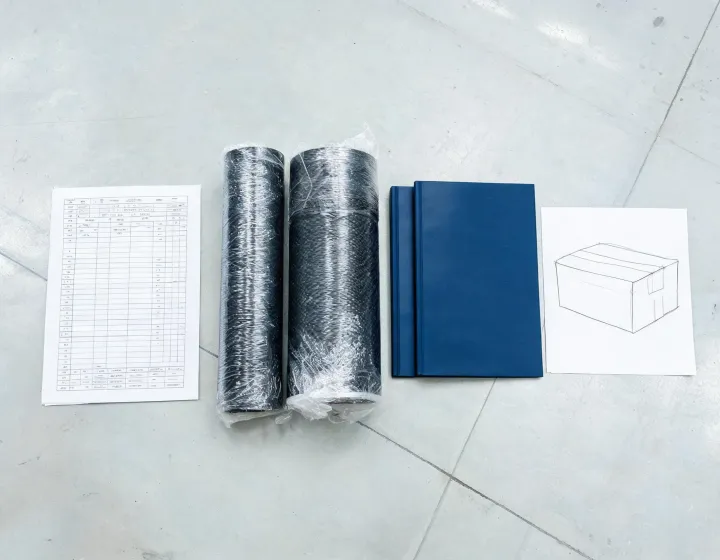
Treat each checkpoint as a go/no-go for outreach. The board is a worksheet layout, not a progress bar toward a published savings figure. If a cell is still unknown, write “supplier to confirm” rather than copying a family-page typical value.
Material name, CAS number where known, resin family, physical form, and whether substitutes are allowed. Keep two close trade names on two lines until they match.
Grade, form, fiber areal weight, resin content, tack, viscosity or melt-flow notes, and color. Mark supplier confirmation when the lab has not set a window.
SDS, TDS and CoA must name the quoted product. TSCA, REACH, GMP or ISO language is a question to the plant, not a badge of this website.
Freezer roll, sealed bag or dry-ice shipper, net contents, interleaf, pallet pattern, and whether sample packs differ from production packs.
Quantity unit, forecast vs firm order, Incoterm, US destination, requested timing, optional budget and currency basis. Per-roll and whole-order figures stay separate.
Who signs lab acceptance, EHS review and purchasing. Quotes cannot close those gates for you. Record the reviewer name outside the quotation itself.
If two plants offer close names, keep both on the planner until assay, resin content, tack and package match the allowed window. Do not merge them to make the table look complete. A hybrid weave proposed as a drop-in still needs buyer approval before it occupies the original line.
Write the restated grade and form next to the offer. A blank cell is more useful than a copied typical value from a product-family website. Fiber areal weight and resin content belong beside that restatement when they affect yield or freezer handling.
List each missing file by product name. A related-grade SDS stays on the unresolved list. Final storage, labeling and transport follow the exact SDS, destination and carrier rules. Out-time statements that omit the quoted resin content stay unresolved.
If used, state amount or range, currency, and whether the figure is per kilogram, per roll or for the whole order. High-end, mid-range, economical or undecided describes buyer posture only. Those notes merge into the existing requirement field at send time and are not extra backend fields.
Limitation 1: this planner cannot replace a laboratory method or a cure-cycle trial. Limitation 2: hazardous-goods and freezer-handling decisions require the quoted SDS and a qualified reviewer. Limitation 3: factory capacity and timing remain unknown until the plant answers the same brief. Limitation 4: a public specification page is a question source, not evidence of stock.
When the planner is complete enough to share, send it through the contact desk and keep a copy for internal reviewers. Continue with inquiry configurations if the catalog option still needs a name, or with quote matching if field labels still differ.
Attach the locked identity row, remaining SDS names, shipper type and destination. Independent quote comparison starts from that worksheet and does not invent missing freezer data.
Independent sourcing partner for prepreg procurement.